Start-from-zero guides to perler beads: sizes, color codes, ironing, and pattern grids — each with numbers you can check.
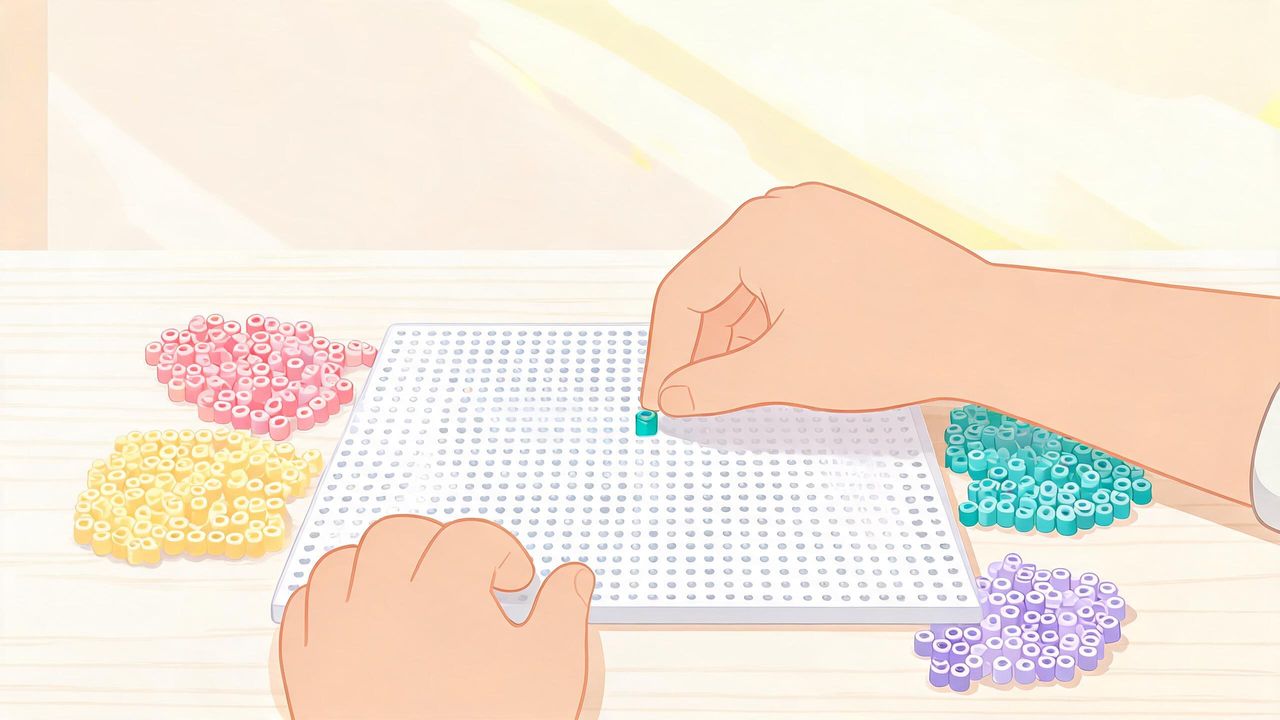
Fuse beads are made of polyethylene (PE), a stable and non-toxic thermoplastic. The real risks are small parts and the ironing step. This guide covers toy-safety testing by major brands, whether you need ventilation while ironing, whether finished pieces can touch food, and age recommendations.
Read →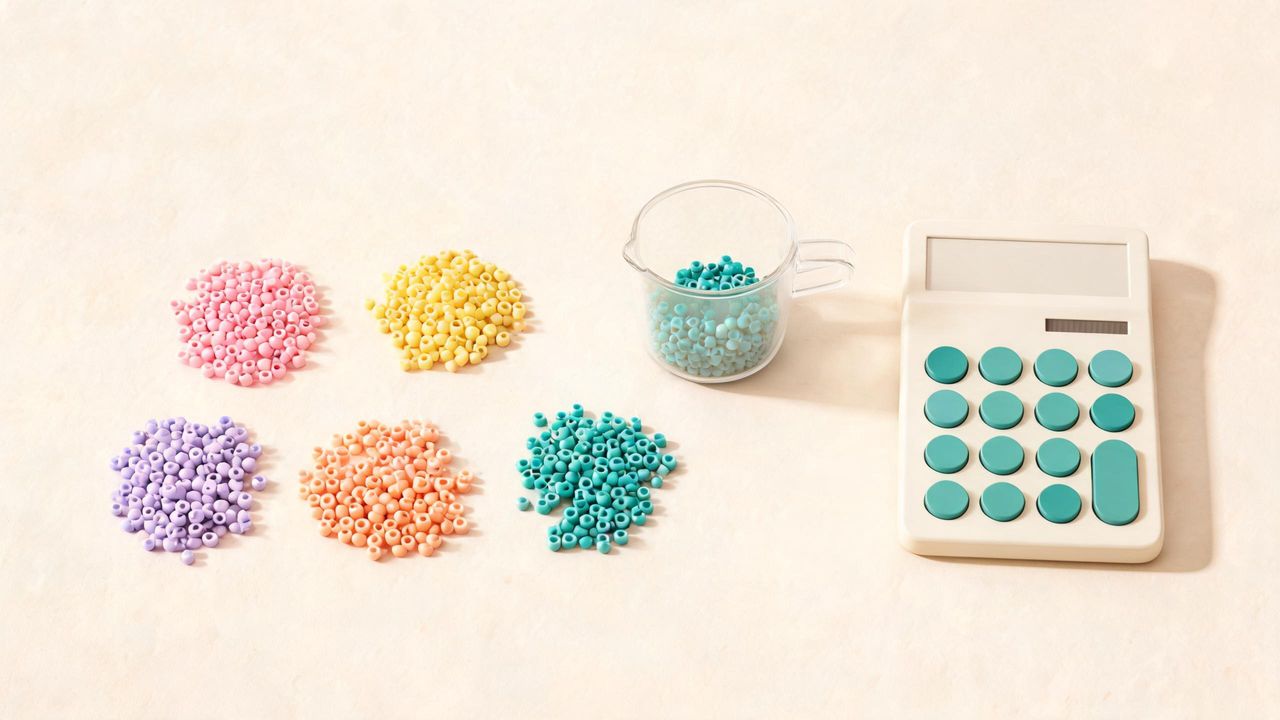
Bead count equals the number of filled cells: a full 29×29 grid is 841 beads, and real patterns usually need 500–700. This guide gives three estimation methods — counting the grid, estimating by area, converting to weight — plus the 5–10% spare factor and how multi-board patterns change the math.
Read →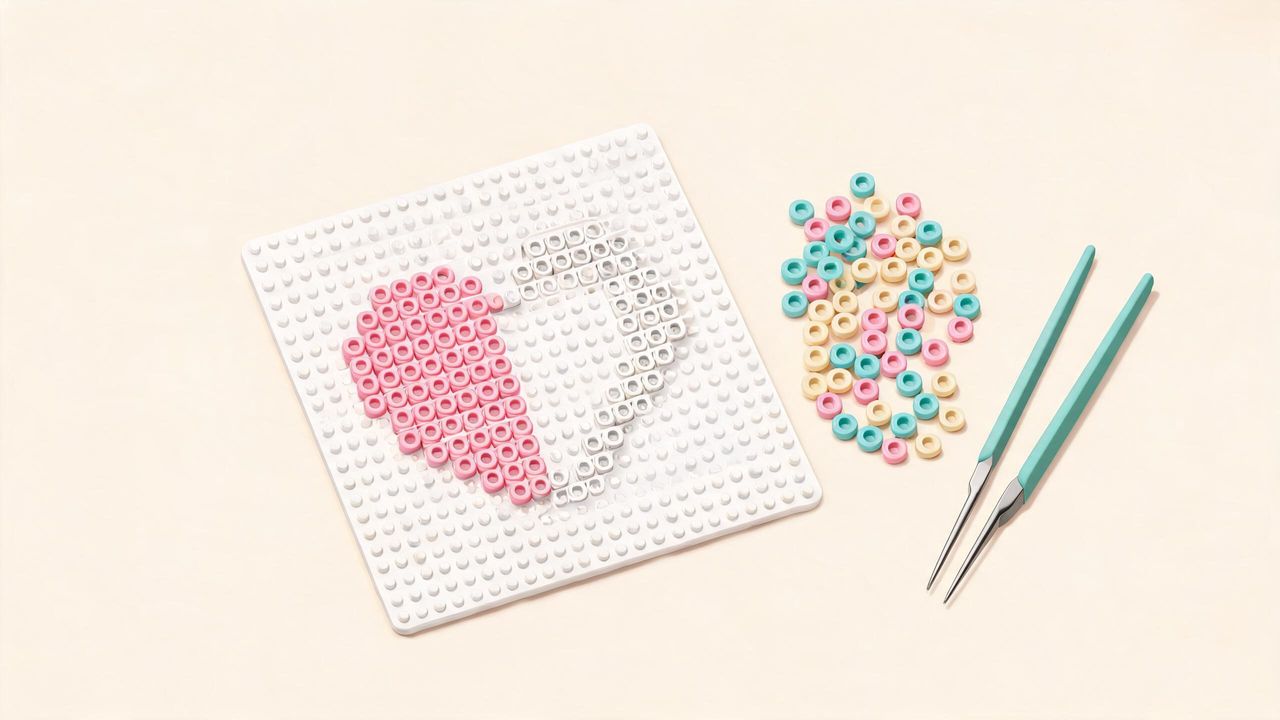
Perler beads, also called Hama or fuse beads, are small holed plastic beads fused with an iron. Learn what they are made of, the sizes, and who they suit.
Read →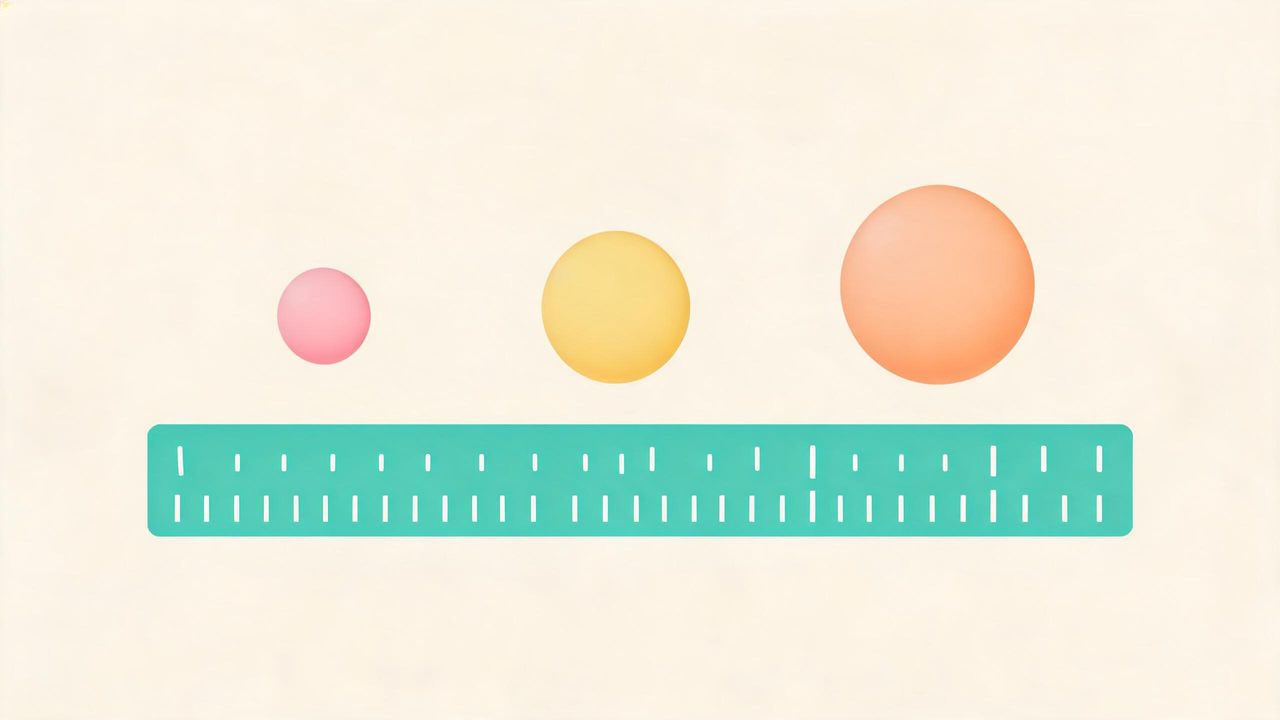
Perler and Hama beads come in mini 2.6 mm, midi 5 mm and maxi 10 mm. Finished size equals columns times bead diameter. See what standard pegboards give you.
Read →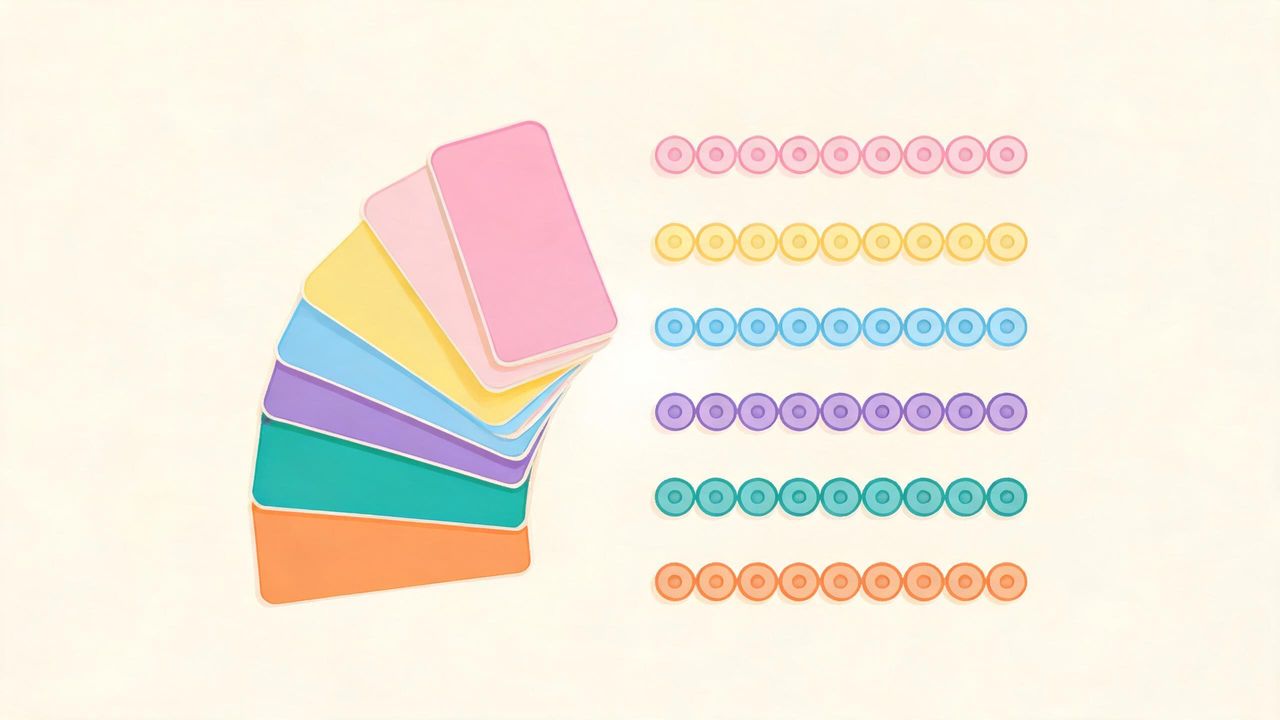
Perler has 117 colors, Hama 89, Artkal 176 and MARD 221. See each palette size and code format (P01, H01, S01) plus how to substitute across brands.
Read →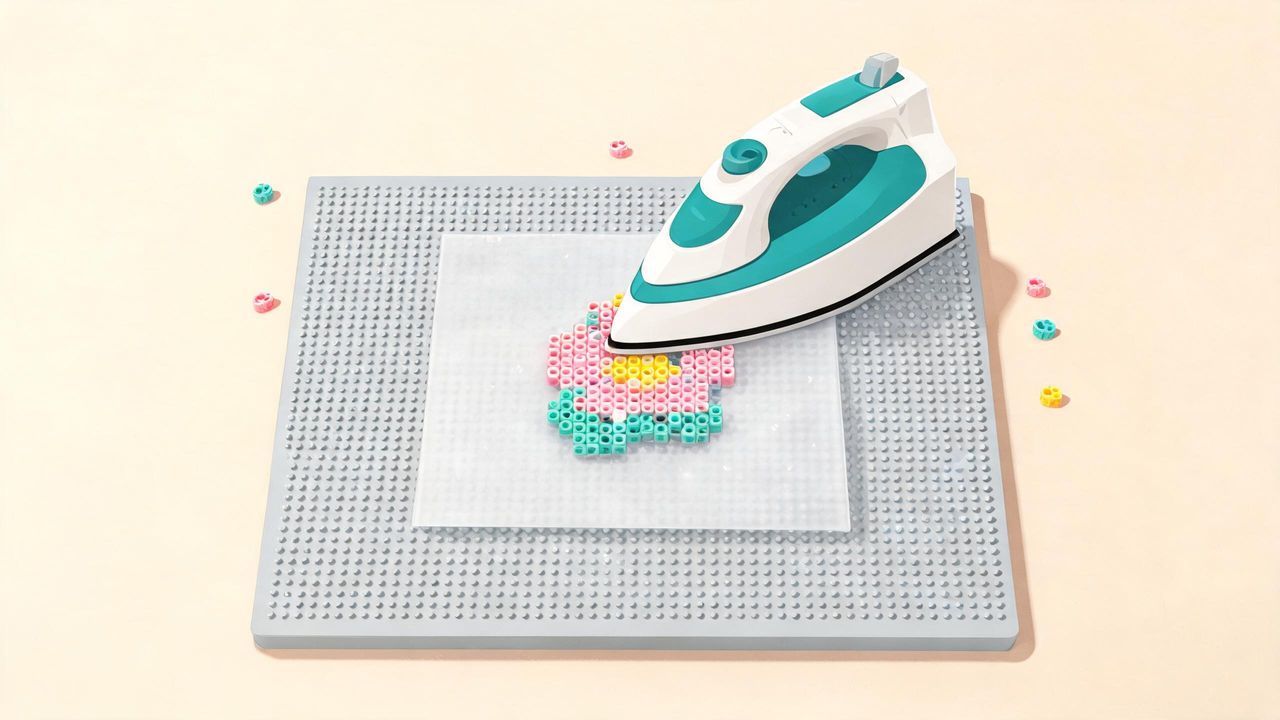
Iron perler beads at medium heat with no steam; our assembly sheet says about 15 seconds per side. See the 150–200 °C range and how to fix curling.
Read →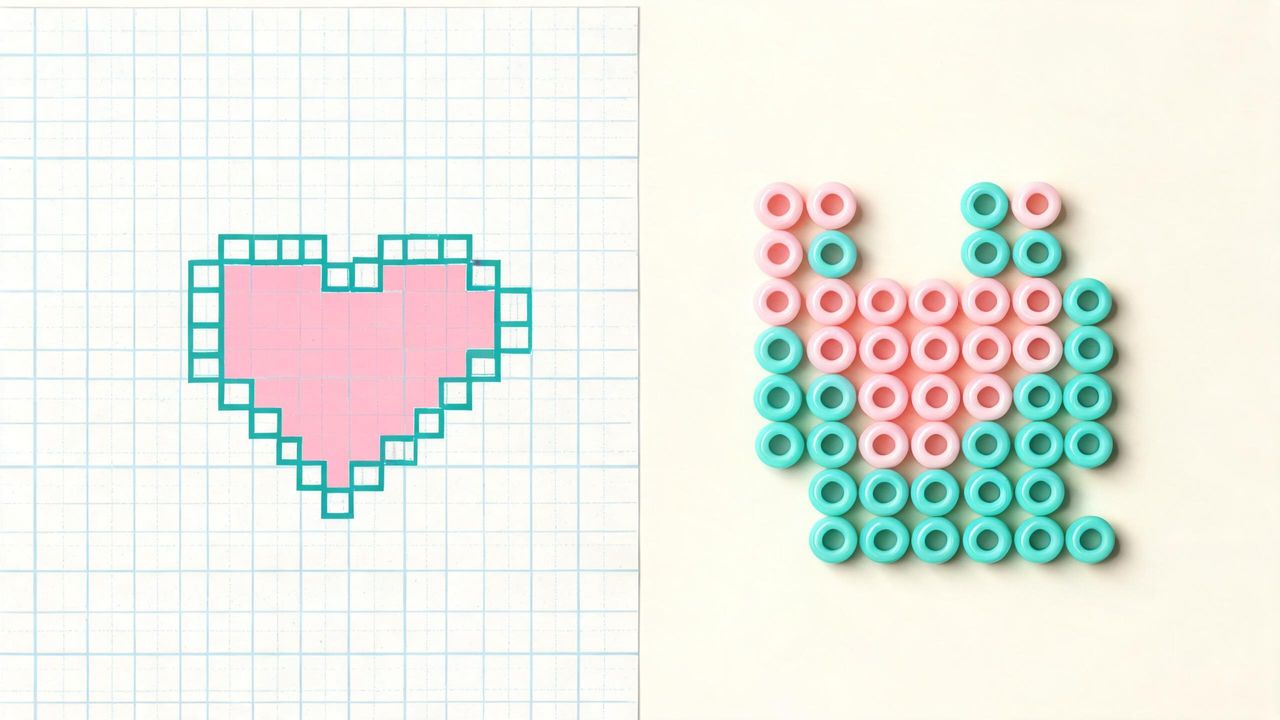
A perler bead pattern is a grid where one bead equals one pixel. Learn how to pick a grid size, convert pixels to size, and when to use dithering.
Read →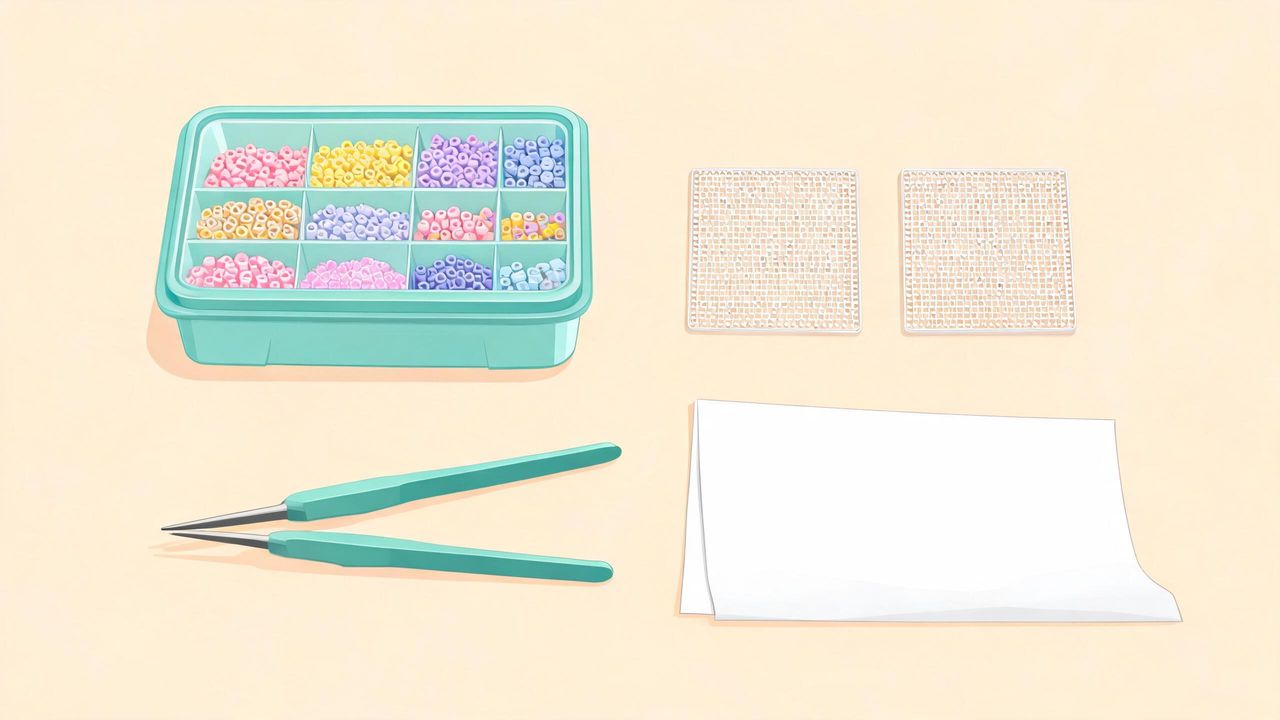
Fuse beads need five things: beads, a pegboard, tweezers, ironing paper, and an iron with the steam off. See what to buy and how to estimate bead counts.
Read →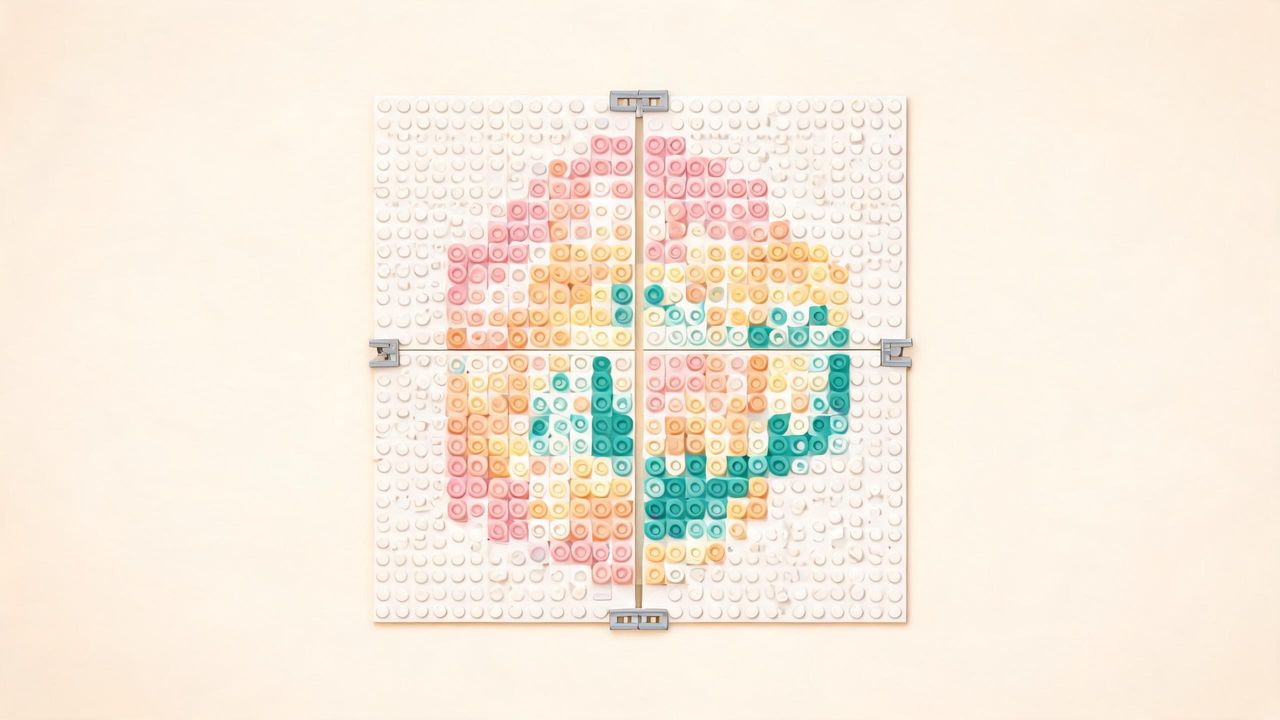
Patterns larger than 29×29 need multiple pegboards. This guide covers common board sizes (14×14, 29×29, 56×56, 57×57), how to build a board array, why beads must never straddle a board seam, and how pattern downloads split a large image by board size.
Read →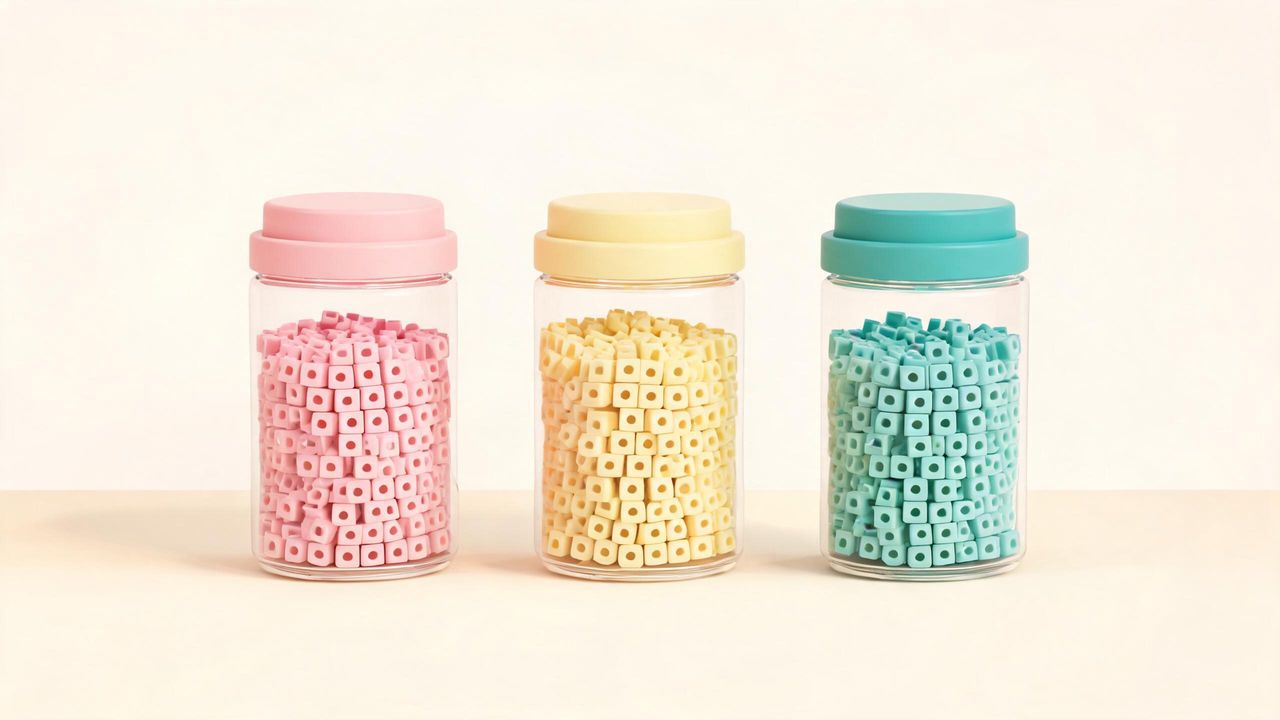
All three brands' Midi beads share the 5mm pitch and are physically interchangeable — the real differences are palette size and availability: Perler ~117 colors, Hama ~89, Artkal's hard-bead line ~176. This guide compares bead sizes, palettes, softness, where to buy, and how to convert color codes across brands.
Read →
Turning a photo into a fuse bead pattern means sampling it to a grid and mapping each cell to the nearest bead color code. How to pick board size (14–57), color count, and what to check after export.
Read →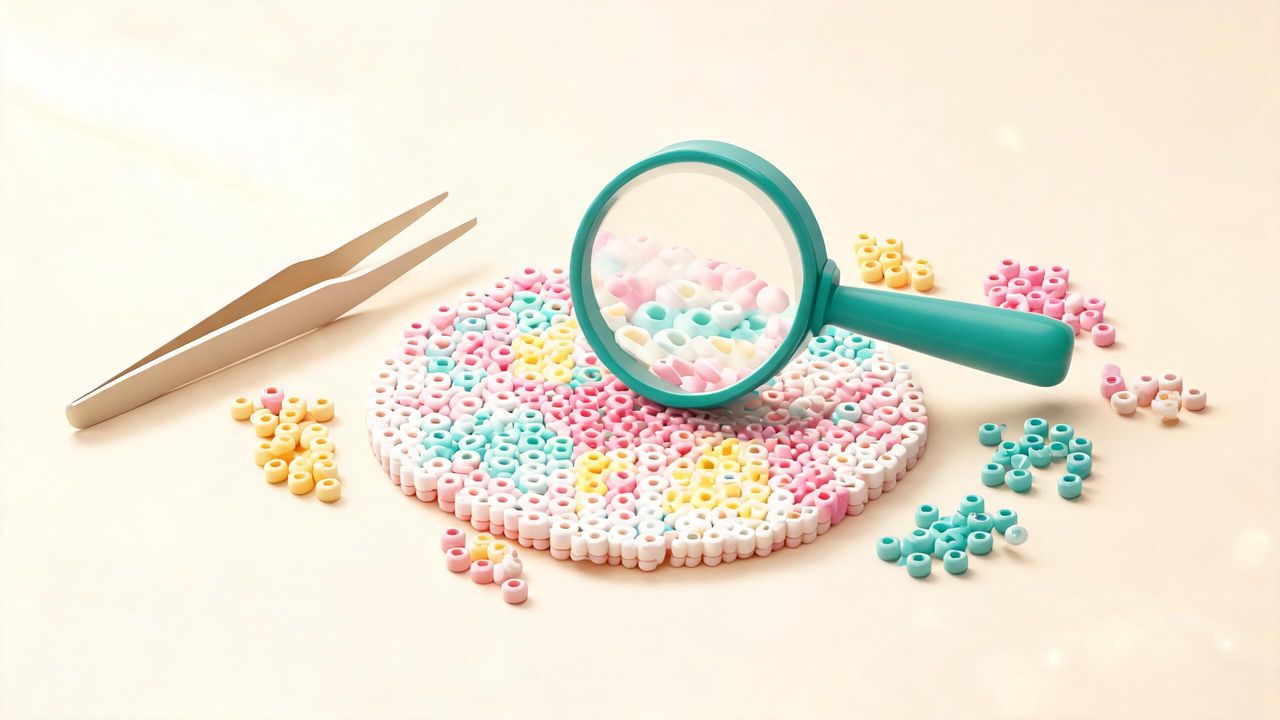
Diagnose fuse bead problems by stage: pattern misalignment and color confusion while placing, under- or over-fusing and curling while ironing, warping and breaking in use. Every failure has a fix except one.
Read →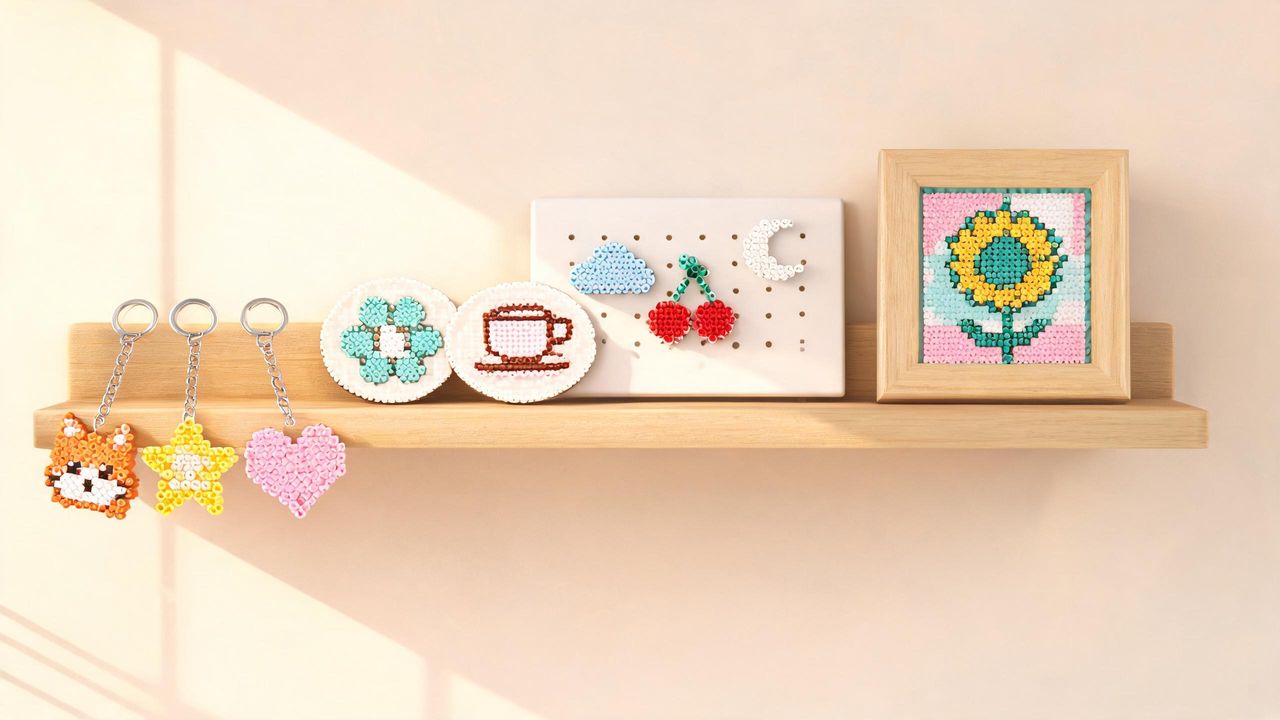
Finished fuse bead pieces work as keychains, charms, coasters, magnets, framed pixel art and party favors. Project ideas by category, with the two physical limits in mind: polyethylene fears heat and is not a food-contact surface.
Read →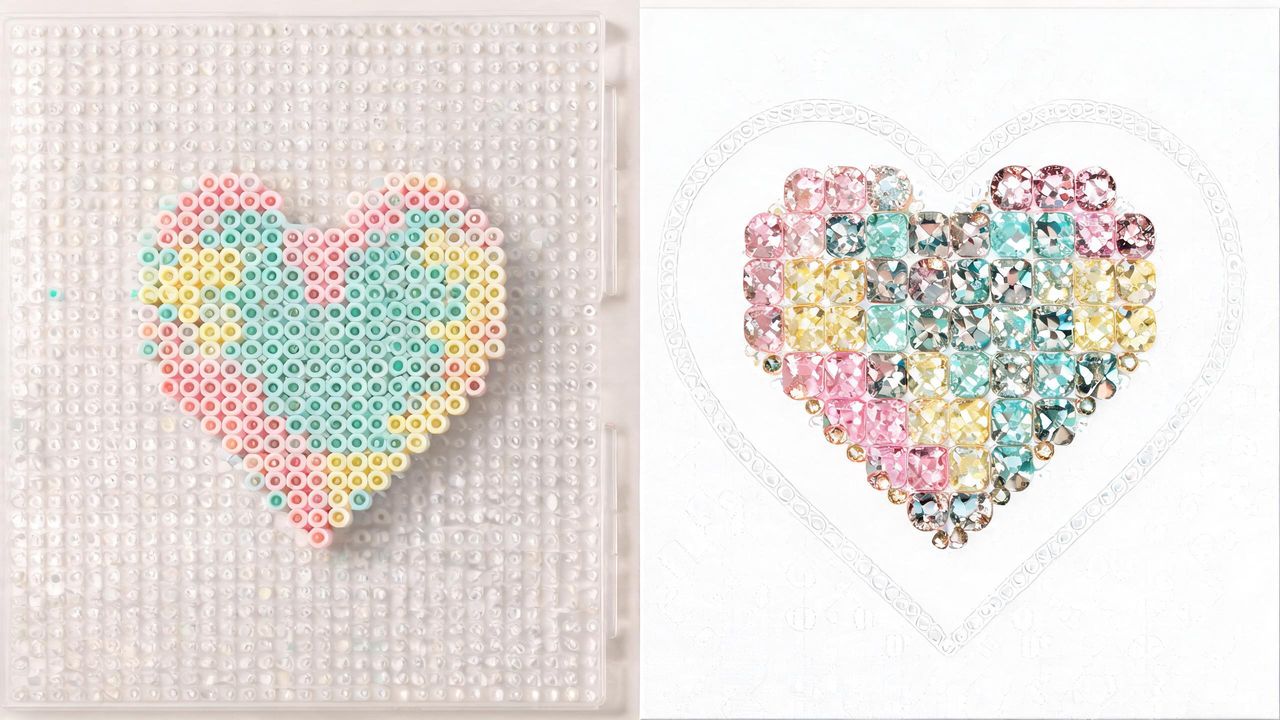
Fuse beads sit on a pegboard and bond by ironing — fully reworkable until then; diamond painting drills stick to a pre-glued canvas the moment they land. A four-dimension comparison (materials, process, finish, durability) plus cross stitch, and how to choose by scenario.
Read →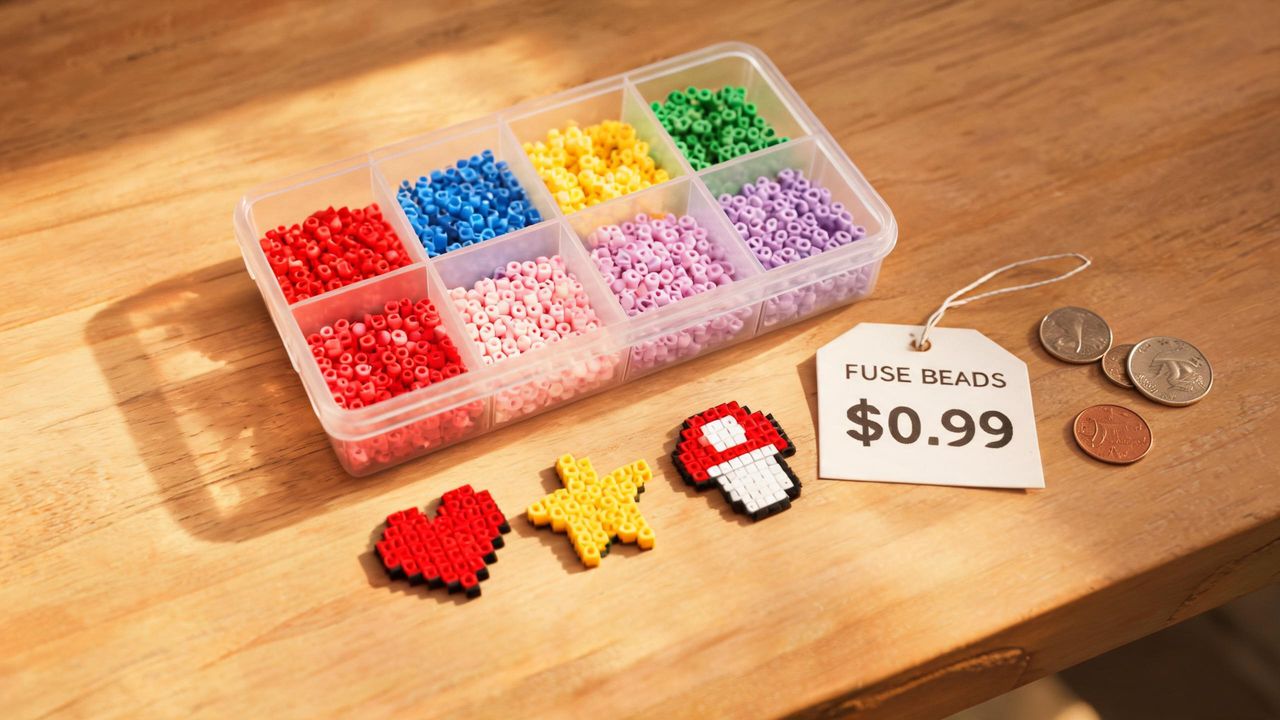
Fuse beads are priced per bead: bulk 5mm beads usually land in the fraction-of-a-cent range. Divide pack price by bead count for a unit price, multiply by filled cells (a full 29×29 board is 841 beads, real patterns use 500–700), and a single pattern costs only a dollar or two.
Read →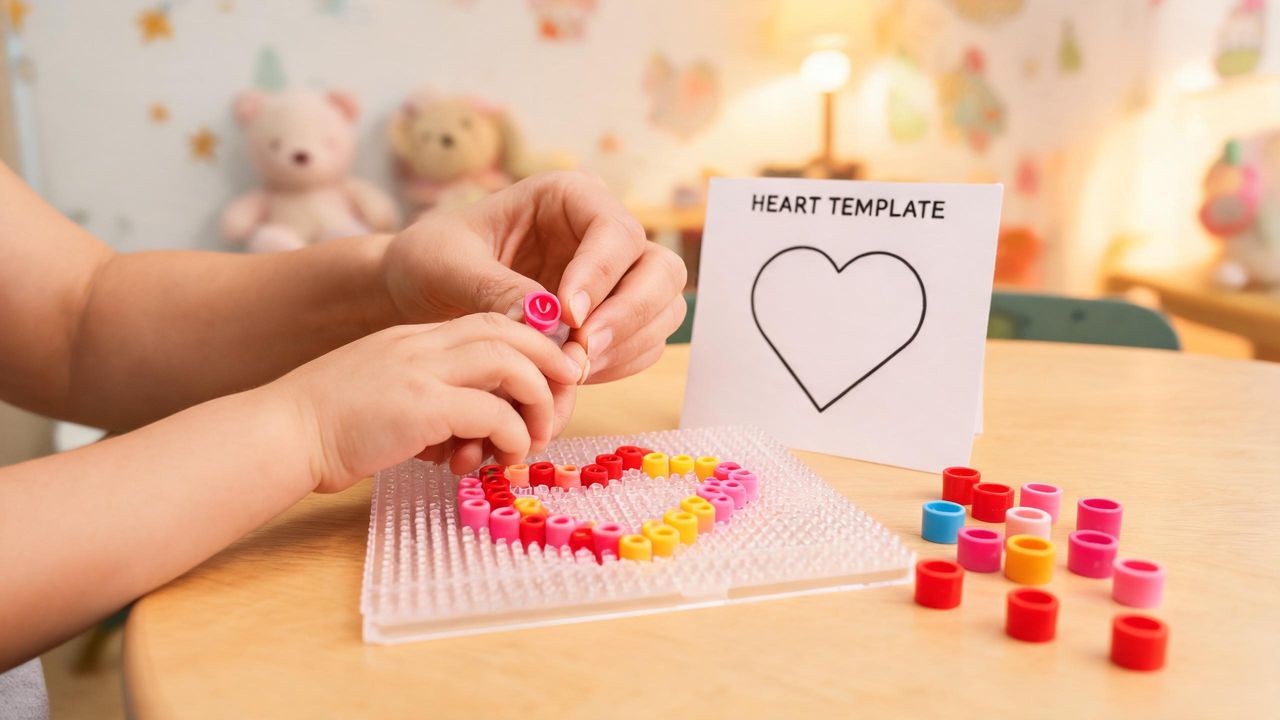
The age line for fuse beads follows bead diameter: under 3 should not play at all (small-parts risk), ages 3–5 use Maxi 10mm supervised, 6+ use Midi 5mm, and Mini 2.6mm waits for school age. This guide covers sizes by age, a four-step co-crafting routine, and how to handle common situations.
Read →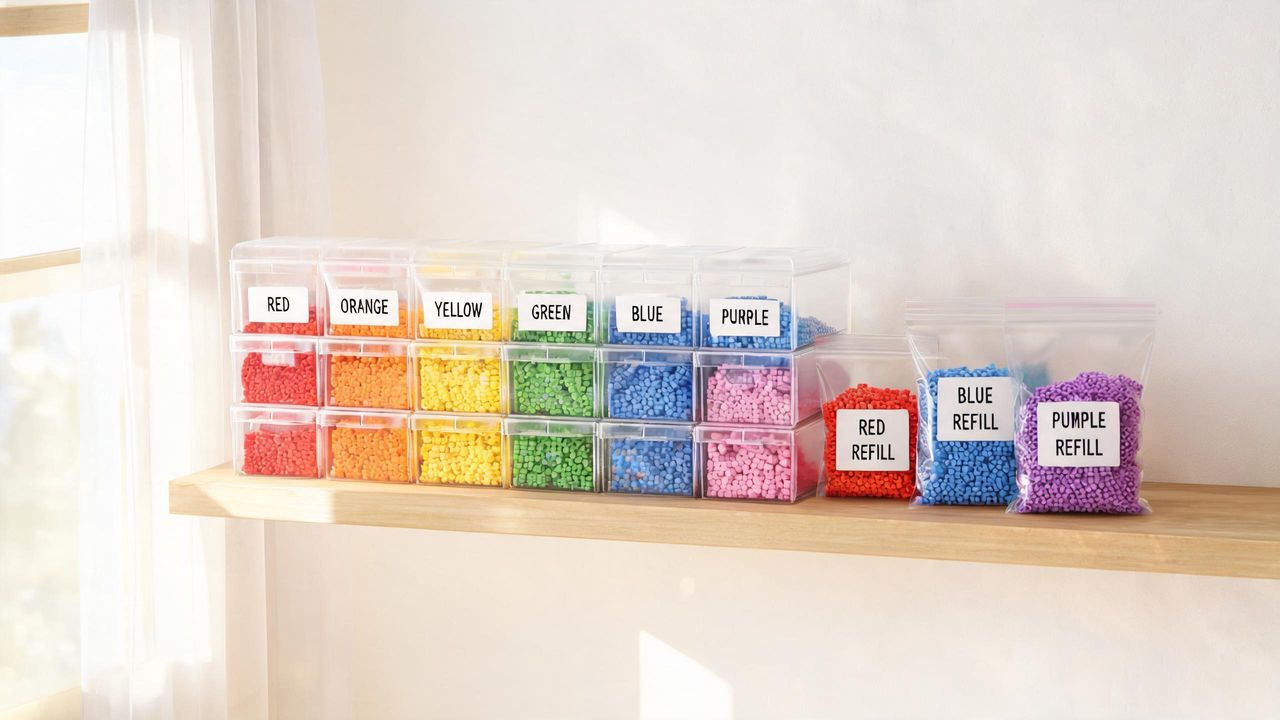
Good fuse bead storage comes down to one principle: one color per compartment, because how fast you find a color decides how fast you place beads. This guide covers container choices, sorting by color family versus color code, dust/moisture/light protection, and when different brands can share a box.
Read →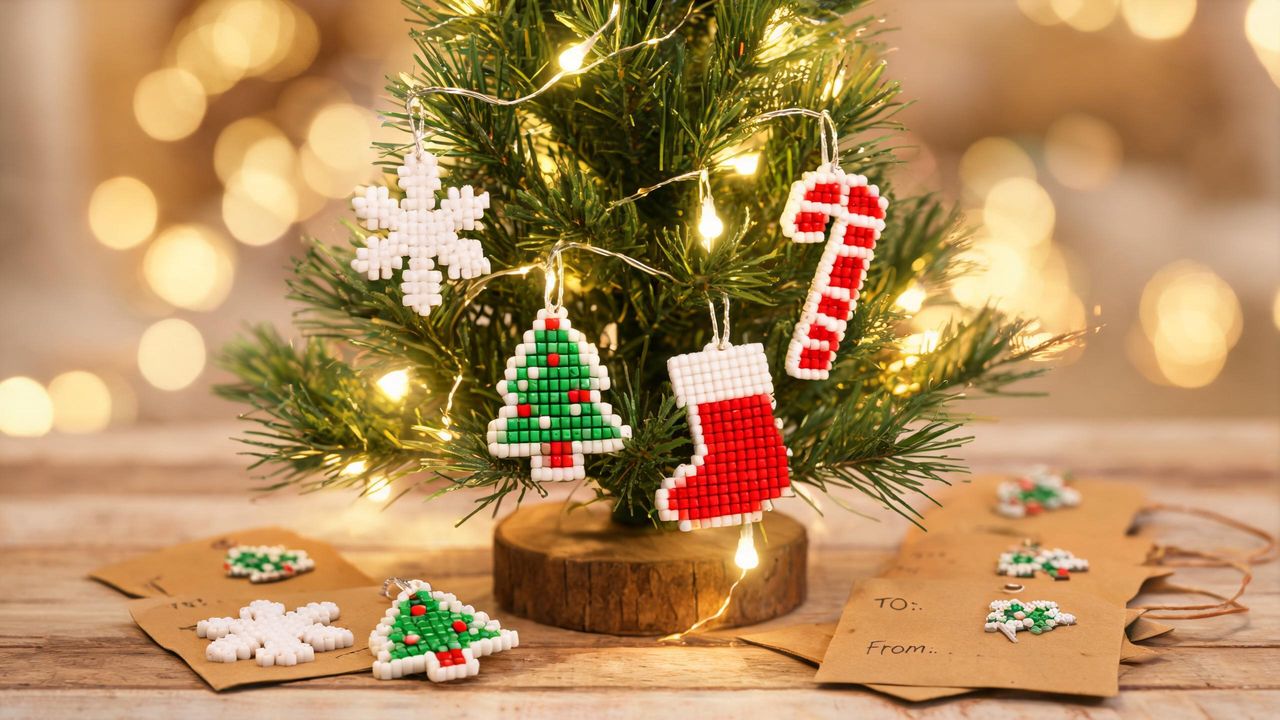
Christmas is the season fuse beads shine: snowflakes, trees, Santa, snowmen, reindeer, stockings, candy canes and presents are all symmetric, geometric shapes — exactly what a pixel grid does best. Ideas by finished use (ornaments, magnets, gift tags, framed art) with sizes, methods and seasonal care notes.
Read →